Key Takeaways
- Drain snaking ($150–$300) is best for simple clogs—hair, soap, small obstructions in individual drains.
- Hydro jetting ($300–$600) uses high-pressure water to scour the entire pipe interior, removing grease, scale, and tree roots.
- A camera inspection before cleaning tells you exactly what you’re dealing with—and which method will work.
- Chemical drain cleaners damage pipes and should be avoided, especially in older Boise homes with aging plumbing.
When a drain is clogged or running slow, you have two main professional options: drain snaking (also called cabling or augering) and hydro jetting. Both are effective, but they work very differently and are suited for different types of clogs. Understanding the difference helps you make an informed choice—and ensures you’re not overpaying for a method you don’t need or underpaying for one that won’t solve the problem. Here’s a complete comparison from a Boise plumber’s perspective.
How Drain Snaking Works
A drain snake (or auger) is a long, flexible metal cable with a cutting or corkscrew tip. The plumber feeds the cable into the drain opening and advances it through the pipe until it reaches the clog. The tip either breaks through the blockage, hooks onto it (allowing the plumber to pull it out), or cuts through it with a rotating blade.
Types of Drain Snakes
- Handheld snake (25–50 feet): Used for sink, tub, and shower drains. Effective for clogs within the first 50 feet of the drain.
- Motorized drain machine (50–100+ feet): Used for main sewer line clogs. A more powerful cable with interchangeable cutting heads can chew through roots and heavy obstructions.
- Toilet auger (closet auger): A specialized short snake designed specifically for toilet clogs, with a protective sleeve to avoid scratching the porcelain.
What Snaking Is Best For
- Hair clogs in bathroom drains
- Soap and shampoo buildup
- Small obstructions (dropped objects, toy parts)
- Toilet clogs that a plunger can’t clear
- Moderate tree root intrusion in sewer lines (cutting, not removing)
- Single-drain clogs (one fixture is slow or blocked)
Snaking Costs in Boise
- Simple drain snake (sink, tub, shower): $150–$200
- Toilet auger: $150–$250
- Main line snake (motorized): $200–$350
Limitations of Snaking
Snaking creates a hole through the clog—it doesn’t clean the pipe walls. This means grease buildup, mineral scale, and root masses along the pipe walls remain. The drain flows again, but the underlying cause is often still present, leading to recurrence. Think of it like poking a hole through a snowdrift rather than clearing the entire road.
How Hydro Jetting Works
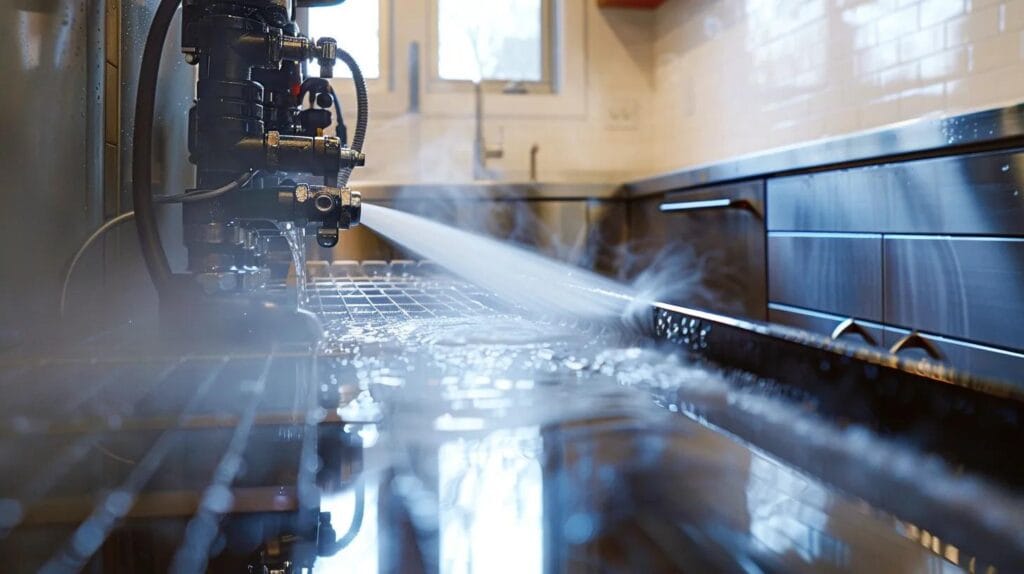
Hydro jetting uses a specialized machine that pressurizes water to 3,000–4,000 PSI (pounds per square inch) and pushes it through a hose with a specialized nozzle into the drain. The nozzle has forward-facing and rear-facing jets that simultaneously cut through blockages and scour the pipe walls, blasting away grease, scale, roots, and debris. The force pushes everything downstream and out of your system.
What Hydro Jetting Is Best For
- Grease buildup: Hydro jetting is the most effective method for removing grease—a common problem in Boise kitchen drains, especially in winter when grease solidifies faster in cold pipes
- Tree root intrusion: High-pressure water cuts through root masses and clears them from the pipe
- Mineral scale: Boise’s hard water leaves scale deposits inside drain pipes that snaking can’t remove but hydro jetting blasts away
- Full pipe cleaning: Unlike snaking, hydro jetting cleans the entire circumference of the pipe, restoring it to near-original condition
- Recurring clogs: If the same drain keeps clogging after snaking, hydro jetting addresses the root cause
- Pre-sale or preventive cleaning: A thorough hydro jet cleans your entire drain system, preventing future problems
Hydro Jetting Costs in Boise
- Standard residential hydro jet: $300–$500
- Main sewer line hydro jet: $400–$600
- With camera inspection (recommended): Add $150–$300
Limitations of Hydro Jetting
Hydro jetting is not appropriate for every situation:
- Fragile or damaged pipes: The high pressure can damage old clay, Orangeburg, or severely corroded pipes. This is why a camera inspection before hydro jetting is essential.
- Collapsed pipes: If the pipe has collapsed or has a severe belly, hydro jetting won’t fix the structural problem.
- Cost: It’s more expensive than snaking for simple clogs.
Camera Inspection: The First Step
Before choosing a cleaning method, a professional drain cleaning service should perform (or at least offer) a video camera inspection. A small, waterproof camera is fed into the drain, providing real-time video of the pipe’s interior. This reveals:
- The type and location of the clog
- Whether roots, grease, or scale are involved
- The pipe material and condition
- Whether the pipe can safely handle hydro jetting pressure
- Structural issues like bellies, cracks, or offsets
A camera inspection costs $150–$300 and eliminates guesswork. It’s especially valuable in older Boise neighborhoods where pipe materials vary and condition is unpredictable.
Snaking vs. Hydro Jetting: Quick Comparison
| Factor | Snaking | Hydro Jetting |
|---|---|---|
| Cost | $150–$300 | $300–$600 |
| Effectiveness | Creates hole through clog | Cleans entire pipe wall |
| Best For | Hair, small objects, single clogs | Grease, roots, scale, recurring clogs |
| Recurrence Risk | Higher (buildup remains) | Lower (pipe fully cleaned) |
| Safe for Old Pipes | Yes (gentle) | Depends (camera inspection first) |
| Time Required | 30–60 minutes | 1–2 hours |
Boise-Specific Drain Issues
Tree Roots in Mature Neighborhoods
Boise’s oldest neighborhoods—North End, Hyde Park, East End, and the Bench—have mature trees with extensive root systems. Silver maples, willows, poplars, and elms send roots into sewer and drain lines through joints and cracks. Snaking can cut through roots temporarily, but they grow back within months. Hydro jetting combined with a root treatment provides longer-lasting results, and a sewer line repair or replacement may be the permanent solution.
Kitchen Grease in Winter
Boise’s cold winters cause grease to solidify faster in drain pipes. Cooking grease, butter, and food oils that might stay liquid long enough to pass through in summer can congeal and coat pipe walls in winter. Kitchen drain clogs spike in Boise from November through February, especially after the holidays. Hydro jetting is the most effective method for grease removal.
Hard Water Scale
Boise’s hard water leaves mineral deposits inside drain pipes over time. While not as dramatic as supply-line scale (because drain water isn’t pressurized), it narrows drain pipes and creates rough surfaces that catch grease and debris. Hydro jetting removes scale; snaking does not.
Why Chemical Drain Cleaners Are a Bad Idea
We strongly advise against using chemical drain cleaners (Drano, Liquid-Plumr, etc.) for several reasons:
- They damage pipes. Chemical cleaners generate heat through chemical reactions. In older pipes (galvanized steel, cast iron, clay), this heat accelerates corrosion and weakens joints. In PVC pipes, repeated use can soften the plastic.
- They don’t work on most clogs. Chemical cleaners can dissolve hair and soap, but they’re ineffective against grease buildup, tree roots, mineral scale, and foreign objects—the most common causes of Boise drain clogs.
- They’re hazardous. If the chemicals don’t clear the clog, they sit in your pipe, creating a toxic hazard for the plumber who eventually needs to work on the drain.
- They provide temporary results at best. Even when they work, chemical cleaners don’t clean the pipe walls—the clog returns.
- They’re bad for the environment. These chemicals end up in Boise’s wastewater treatment system.
DIY Drain Maintenance Tips
Keep your drains flowing between professional cleanings with these practices:
- Use drain screens in all showers and tubs to catch hair before it enters the drain.
- Never pour grease down the drain. Let cooking grease cool and dispose of it in the trash. Wipe greasy pans with a paper towel before washing.
- Run hot water after each use for 30 seconds to help flush away soap and light buildup.
- Monthly baking soda treatment: Pour 1/2 cup baking soda followed by 1/2 cup white vinegar down each drain. Let it fizz for 30 minutes, then flush with hot water. This is safe for all pipe types and helps break down organic buildup.
- Don’t treat your toilet as a trash can. Only flush human waste and toilet paper. “Flushable” wipes, feminine products, cotton swabs, and dental floss cause clogs.
When to Schedule Professional Drain Cleaning
- Immediately: Multiple drains are slow or backing up simultaneously (indicates a main line issue)
- Soon: A single drain is slow and a plunger doesn’t help
- Preventively: Annually for homes with mature trees near sewer lines, or before hosting large gatherings (holiday season)
- After a camera inspection reveals buildup, roots, or scale
Frequently Asked Questions
How often should I have my drains professionally cleaned?
For most Boise homes, professional drain cleaning every 1–2 years is sufficient for prevention. Homes with mature trees near sewer lines should schedule annual main line cleaning. If you experience recurring clogs in the same drain, a camera inspection followed by hydro jetting provides a more lasting solution than repeated snaking.
Can hydro jetting damage my pipes?
Hydro jetting can damage pipes that are already in poor condition—severely corroded cast iron, cracked clay, or deteriorating Orangeburg pipe. This is why a reputable plumber will perform a camera inspection before hydro jetting. If the camera reveals fragile pipes, the plumber will recommend snaking instead (or pipe replacement for a permanent fix). Modern PVC and ABS pipes handle hydro jetting without any issue.
Is snaking or hydro jetting better for tree roots?
Hydro jetting is significantly better for tree roots. A drain snake can cut through roots and restore flow, but the roots grow back within weeks to months because the root mass along the pipe walls remains. Hydro jetting removes the root mass entirely, and combined with a root-killing treatment, can provide 1–2 years of clear flow. For a permanent solution, consider trenchless sewer line repair to seal out root entry points.
What causes recurring drain clogs in Boise homes?
The most common causes of recurring drain clogs in Boise are: (1) tree root intrusion through old pipe joints, (2) grease accumulation in kitchen lines (especially in winter), (3) hard water scale narrowing drain pipes, (4) bellied (sagging) sewer lines that trap waste, and (5) aging pipes with rough interior surfaces from corrosion. If you’re calling a plumber for the same drain more than once a year, a camera inspection will identify the underlying cause so you can address it permanently.
Need professional drain cleaning in Boise? Hyde Park Plumbing offers both snaking and hydro jetting services with camera inspection to ensure we use the right method for your situation. Call us at (208) 994-3745 or visit our drain cleaning page for more information. We serve the entire Boise metro area.
